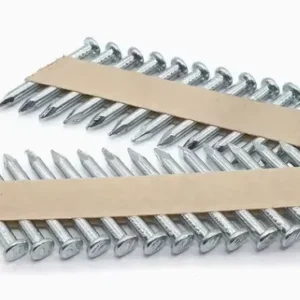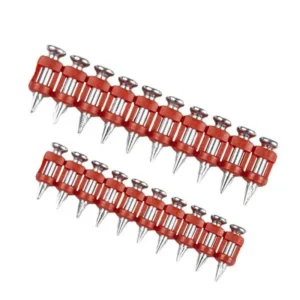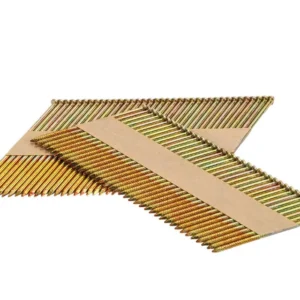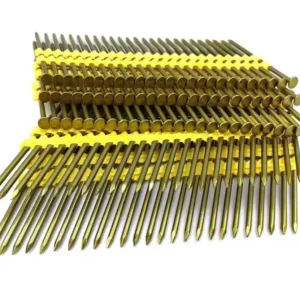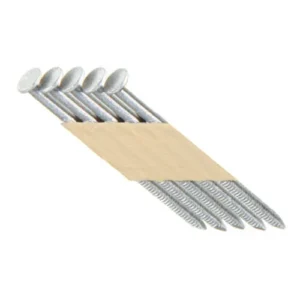
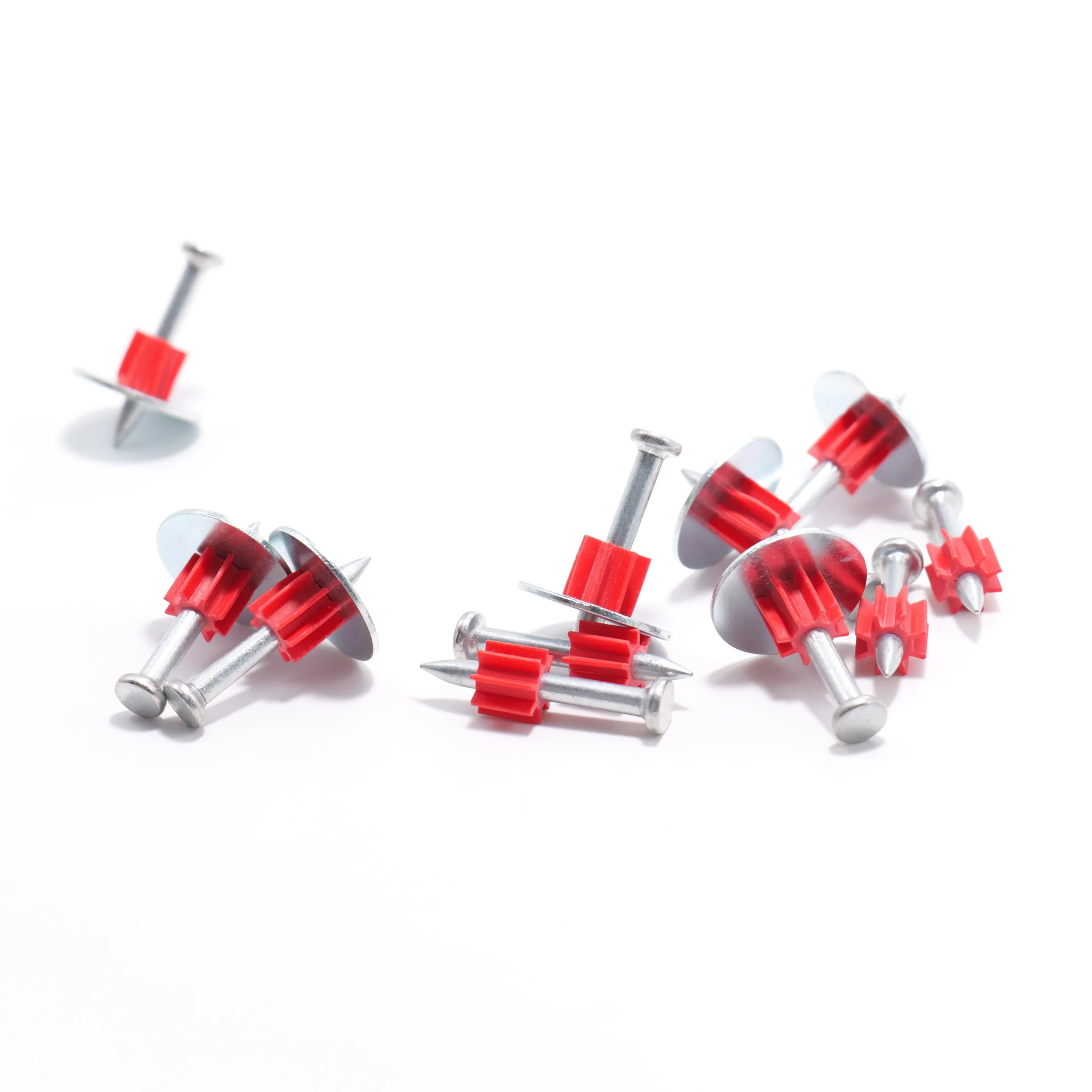
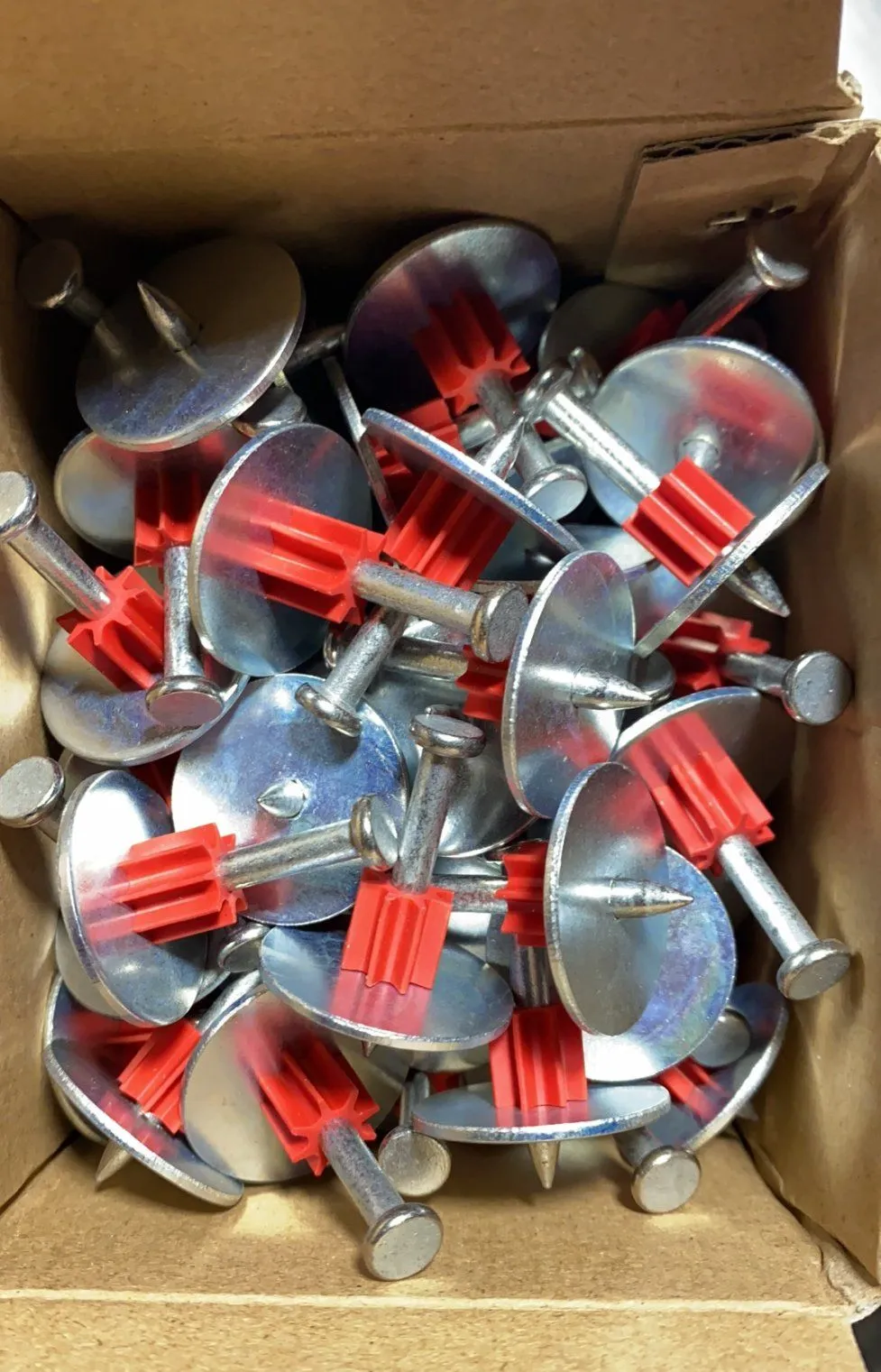
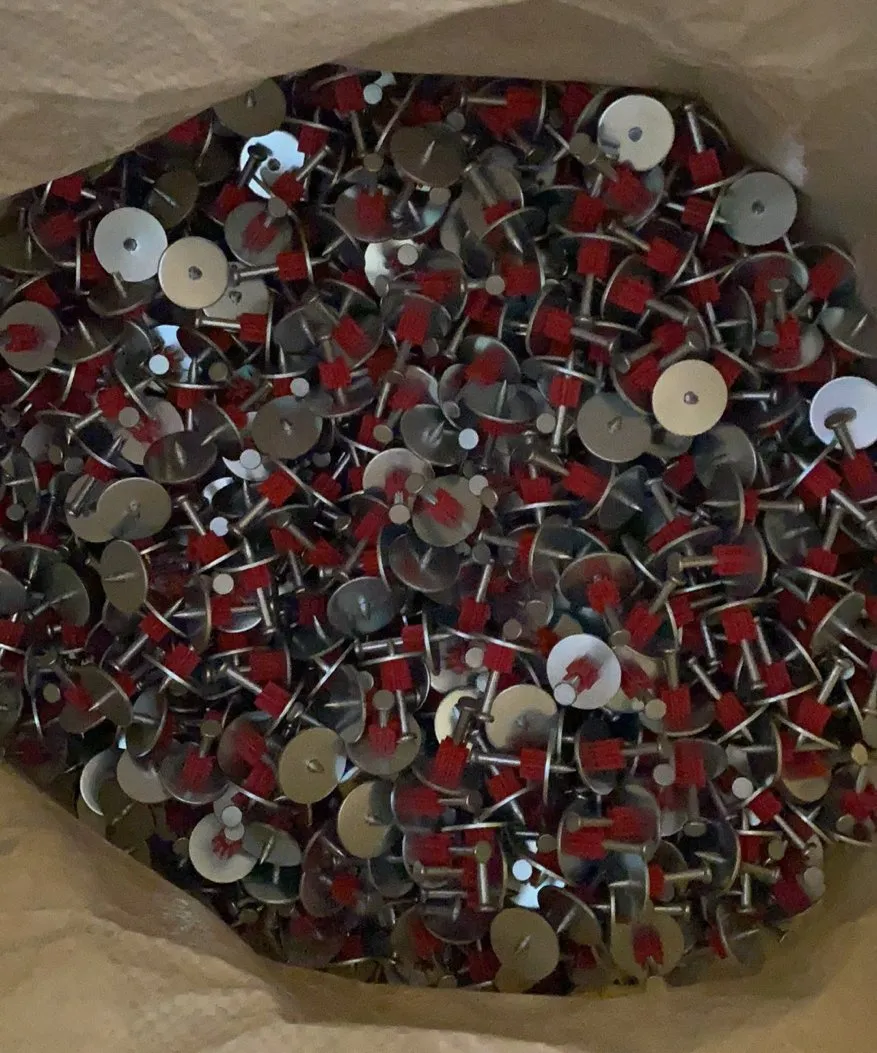
PD Drive Pins with Washer
Material: #60 High Carbon Steel
Surface Treatment: Electric Galvanised and Mechanical Galvanised
Shank type: Smooth Shank
Head type: Flat Head
Head diameter: 7.6mm
Shank diameter: 3.7mm
Length: 25mm, 32mm, 75mm
Compatible Tool: for Hilti Dx-460 Dx 5/ Walte PT-450/301t/301/D45
Packaging terms: 100pcs/box, 20boxes/carton, 40cartons/pallet
Delivery time: 25~35 days as per your quantity.
Frequently Asked Questions About Drive Pins with Washer
Q1: When we use drive pins?
A: They are used with powder-actuated tools to fasten materials like wood or steel to concrete, masonry, or structural steel. The washer increases the bearing surface, prevents pull-through, and provides a stronger clamping load.
Q2: What are the key limitations?
A: Avoid using them on soft foam insulation board, as the washer may not prevent pull-through. When working with pressure-treated lumber, use pins with special coatings to prevent corrosion.
Q3: How do I choose the right pin?
A: Select the correct length based on the thickness of the material you are attaching and the required embedment depth into the concrete or steel base.
Q4: What are the common Uses for Drive Pins Without Washers?
A:
- Thin Gauge Materials: Securing thin electrical boxes, clips, or cable ties to concrete/steel.
- Hard Concrete/Steel: Driving into materials where a washer might buckle, distort, or prevent full penetration.
- Flush Finish: When the fastener head needs to be flush with the surface of the material, such as attaching wood flooring components directly.
- Increased Piercing: Without a washer, the pin acts more directly to pierce and secure materials that are hard-to-penetrate.
Q5: Why Use Washered Pins Instead?
A:
- Prevent Blowouts: Washers (sometimes called “Mickey pins”) prevent the pin from blowing out the surface of weak or soft concrete.
- Distribute Loads: Washers are necessary to spread pressure when anchoring softer or more fragile materials, preventing the pin head from pulling through the fastened material.
- Tool Lifespan: Washered pins help align the pin within the barrel, which reduces wear on the tool piston.