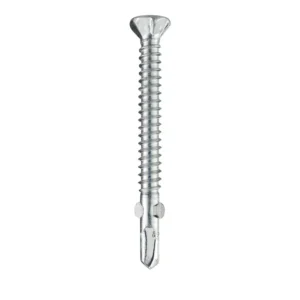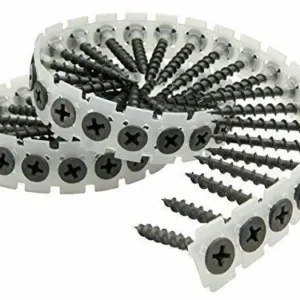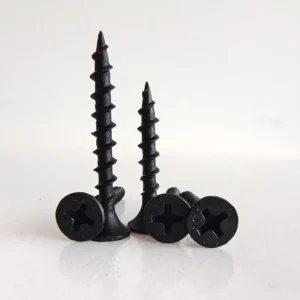
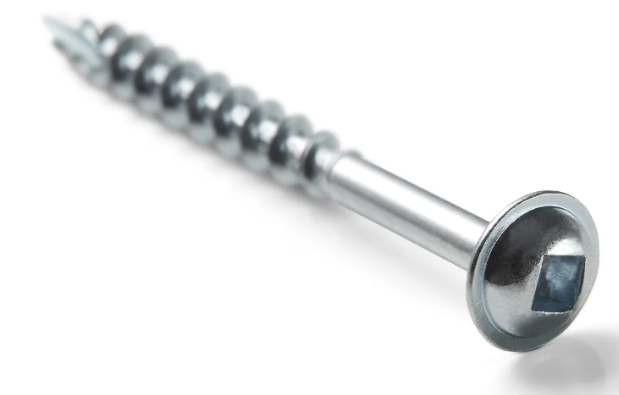
Square Drive Pocket Hole Wood Screws
Material: Stainless steel, Alloy steel, Carbon steel, etc.
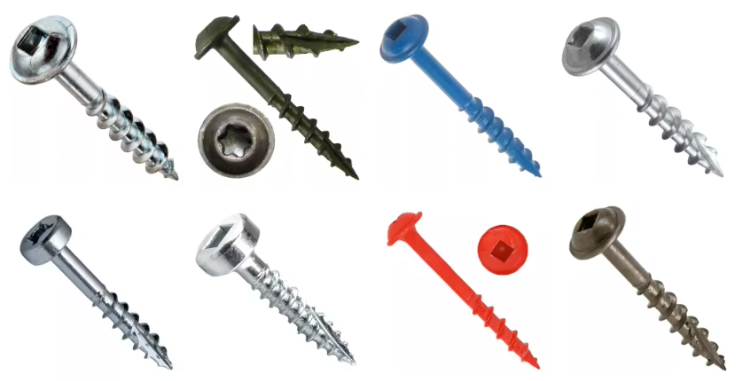
Head Style: Round washer head, Pocket Hole Head/Customised
Driver types: Square drive/Customised
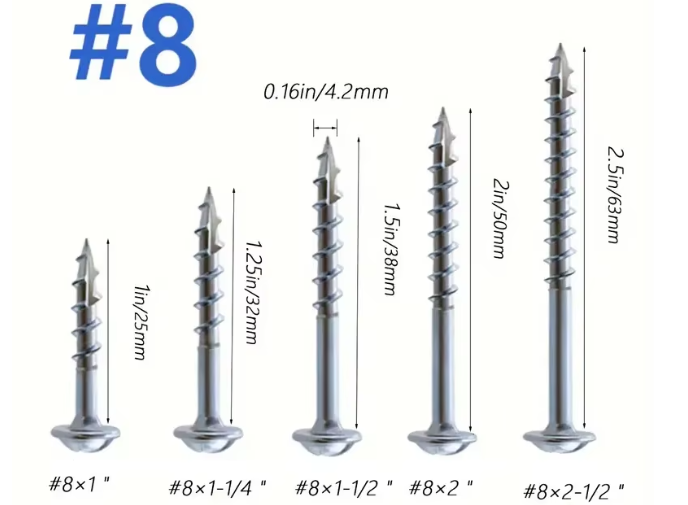
Shank Size: #6 #8 #9 #10/Customised
Length: 1”, 1 1/4″, 1 1/2″, 2”, 2 1/2″/Customised
Coating: Plain, Grey/Black phosphate, Zinc-Plated, Dacromet, Ruspert, etc.
Square drive wood screws have No 2 Square heads. They give the best grip and will not round. The screws either have a large washer head, which provides the most surface area when tightening and prevents the screw from going through into the joining workpiece, or a pan head, which is ideal for use on smaller projects.
Frequently Asked Questions About Pocket Hole Screws
Q1:Do I need special screws for pocket holes?
A: Yes. Using standard screws for pocket joinery can lead to weak joints, wood splitting, or poor clamping force. Pocket hole screws feature a unique washer head that seats perfectly in the pocket hole, distributing pressure evenly and providing maximum clamping force between workpieces. The specialised head design prevents the screw from pulling through the pocket.
Q2: Coarse thread vs. fine thread pocket screws—which should I choose?
A: Selecting the correct thread pattern is essential for strong joints:
| Thread Type | Best For | Why |
|---|---|---|
| Coarse Thread | Softwoods (pine, fir, plywood, MDF, particle board) | Deeper threads grip better in less dense materials, preventing stripping |
| Fine Thread | Hardwoods (oak, maple, cherry, walnut) | Shallower threads reduce wood splitting while still providing excellent holding power |
Pro tip: When in doubt, coarse threads work well for most general woodworking applications with softwoods and sheet goods.
Q3: Can I use pocket screws for outdoor projects?
A: Standard pocket screws are NOT recommended for outdoor use. For exterior applications, you need corrosion-resistant options:
-
Blue-coated pocket screws: Specially formulated for treated lumber and outdoor exposure
-
Stainless steel pocket screws: Maximum corrosion resistance for coastal areas, bathrooms, or high-moisture environments
-
Coated screws: Provide a barrier against moisture and wood treatment chemicals
Using uncoated screws outdoors will result in rapid rusting, staining, and joint failure.
Q4: Why are my pocket screws spinning or not tightening?
A: Common causes:
-
Wrong thread type: Using fine threads in softwood (switch to coarse)
-
Overtightening: Stripped threads in the pilot hole
-
Dull screw point: Poor-quality screws fail to cut clean threads
-
Pilot hole too large: Use the correct drill bit for your screw size
-
Wrong screw length: Too short for material thickness
Q5: Are pocket screws removable?
A: Yes, but with limitations:
-
Pocket screws can be backed out like regular screws
-
The pocket hole remains visible and may need plugging
-
Repeated removal/insertion may strip the pilot hole
-
For disassembly, use a square drive bit at low speed